Watch someone take a deep breath before public speaking and you can often spot it: the nostrils flare, the alar base widens, and the nose subtly dominates the center of the face. For some, that flare appears in every smile or laugh, exaggerating nose width in photos and creating a stressed appearance even when the rest of the face is at ease. If this sounds familiar, you are looking at overactive alar muscles, and a few strategic units of Botox can dial that movement down without muting your natural expression.
What “nasal flare” actually is
Nasal flare refers to the outward widening of the nostrils with breathing, speaking, smiling, or emoting. The main driver is the alar part of the nasalis muscle, which pulls laterally on the nostril rim. In some people, that pull is strong enough to exaggerate nose widening. The culprit is not always anatomy alone. Habit, expressive style, and even chronic mouth breathing can train these muscles to fire more than necessary. Over time, that dominance affects facial balance, draws attention away from the eyes and lips, and can contribute to creases along the alar-facial groove.
I see three patterns most often:
- The “smile flare,” where the nostrils flare with every grin, making the midface look broader than it is. The “speech flare,” common in presenters and performers who project voice and unconsciously recruit nasal muscles. The “resting flare,” where baseline tone in the alar muscles keeps the nose looking wider even at rest.
In each case, the goal is not paralysis. It is controlled facial movement, the ability to keep nasal width stable during expression so the face reads relaxed, open, and proportionate.
How Botox helps, in plain terms
Botox, a neuromodulator that reduces muscle contraction, can be placed with micro-doses into the alar portion of the nasalis to soften the lateral pull on the nostril rim. Imagine taking the volume knob from a 9 down to a 4. The nostrils can still move, but the flare no longer hijacks your smile or speech.
This is a classic example of Botox for overactive facial muscles. Unlike treating forehead creases or squint lines, where the benefit is skin smoothing, the nasal flare target is movement moderation. Patients often describe the result as a quieter nose and a more refined facial look in photos and video.
When I map a face for this issue, I watch the patient speak a full sentence, then smile and take a nasal inhalation. I note asymmetry: one side may flare harder due to uneven muscle pull or prior dental work that changed oral habits. Many people have subtle facial muscle dominance, so symmetrical dosing can produce asymmetrical results if you ignore how they move.
A quick anatomy tour, with practical landmarks
The nasalis has two main parts: the transverse (compressor) and the alar (dilator). For nasal flare, we focus on the alar fibers that fan outward across the nostril wing. The injection points sit just lateral and inferior to the nostril rim, in the soft tissue overlying the alar muscle. The target is superficial, so micro-dosing helps avoid diffusion into nearby elevators of the upper lip.
There is also interplay with the depressor septi nasi, a muscle that pulls the nasal tip downward and can accentuate downturn on smiling. In some cases, this muscle contributes to the perception of nose widening by pulling the tip down as the alar widens. A conservative adjunct micro-dose to the depressor septi nasi can improve smile dynamics and tip position, though that is a secondary decision after testing the alar response.
Who benefits most
Patients who say, “My nose looks wider every time I laugh,” tend to do well. So do those who feel their midface looks busy or tense on camera. Professionals who spend time on video calls or in high-definition footage often notice nasal flare only after reviewing recordings, which is why this request has grown alongside remote work and video production.
If your goals include a more camera botox injections MI ready Shelby Township MI cosmetic botox face, reducing makeup creasing around the nose, or a subtle enhancement for special occasions, softening the alar flare is a small, high-yield tweak. The change is visible yet tasteful, especially when the rest of your face already has balanced neuromodulator work such as subtle brow shaping, lateral brow support, or an eye area refresh.
The dose that does it
Most cases respond to 2 to 6 units total, divided across two to four micro-injection points. I usually start low, then refine at a two-week follow-up. Because the target is small, over-treating is easy and unwise. You want controlled facial movement, not a frozen nose. Precision beats quantity every time.
For asymmetry, a light stagger of 1 to 2 units more on the dominant side can restore facial symmetry. If a patient also wants a smile correction, such as reducing upper lip pull or lifting the lip corners a touch, the alar doses need recalibration to avoid compounding effects.
“Will Botox make my expressions weird?”
This concern shows up daily, and it is healthy skepticism. The short answer: it can, if placed poorly. Neuromodulators change muscle balance. If you treat the wrong fibers or spread into smile elevators, you can mute a grin or change how the upper lip moves. When done correctly, the nose stops stealing the scene, and your expressions look more natural, not less.
Patients also ask, can Botox change facial expressions in a broader sense? Yes, that is the point, but it should change them in a targeted way. A heavy-handed approach to the forehead can create eyebrow heaviness and a tired looking face. Over-treatment around the eyes can flatten a smile. The art is controlled facial movement that supports, not disrupts, your communication.
Another recurring question: does Botox affect emotions? The current evidence suggests it does not change what you feel. Some research explores whether reduced frowning might influence mood or how others read your face, which relates to botox and facial recognition changes in social contexts. In daily practice, the bigger factor is social feedback. If people stop asking if you are upset or stressed, you often feel better. I focus on predictable muscular outcomes, not mood claims.
A test I use in consultation
Before needles come out, I ask patients to run through three motions while I watch closely: a relaxed smile, a nasal inhale, and a full laugh. Then I have them hum through the nose, which tends to reveal subtle flare that a camera picks up. I map flare amplitude and timing. If the nostril base widens early in a smile, I treat the alar muscle first. If widening only shows with deep inhalation, we dial the dose down to preserve normal breathing cues.
I also note whether the nostril rim pulls up, which can indicate overactivity in the levator labii superioris alaeque nasi, the muscle that can cause bunny lines and upper lip lift. If that muscle dominates, treating only the alar fibers can miss the mark. You reduce lateral flare but leave vertical retraction untouched. In those cases, small adjunct placements are considered, again with conservative dosing to avoid blunting the smile.
Results timeline and what to expect
Onset typically begins around day 3, with more noticeable effect by day 7. The peak arrives at two weeks, which is why I schedule the reassessment then. Duration ranges from 8 to 12 weeks for this specific area. Because the alar muscle is small and active, some patients sit closer to the 8 to 10 week mark initially. Over a few cycles, many notice longer intervals as the habit driven wrinkles and movement patterns settle. This is part of Botox for facial muscle retraining. When a muscle learns a quieter baseline, you can maintain with fewer units or longer intervals.
In photos, the difference reads as a calmer, narrower nasal base during smile and speech. Most patients describe it as a polished appearance, not a “Botox look.” If you aim for a professional appearance or a subtle enhancement ahead of a major event, this timing matters. Start at least one month before the date to allow for fine-tuning.
Side effects and how to avoid them
Bruising can happen anywhere a needle goes near facial vessels. The alar region is vascular, so gentle pressure immediately after each placement helps. I use tiny volumes and slow injection to reduce diffusion. The key risk is spread into adjacent smile elevators, which can make the upper lip feel odd or reduce tooth show. That is dose and technique dependent. With careful mapping, I almost never see that issue, and when it occurs at low dose, it is subtle and temporary.
For patients with chronic allergies, swelling of the nasal mucosa can change how the nose looks week to week. Treating the alar muscle will not fix internal airflow or congestion. If nasal breathing is an issue, I coordinate with an ENT before claiming cosmetic wins. This is a case where aesthetic refinement should follow functional stability.
Coordination with other facial areas
Faces work as systems. Soften the flare and you might notice your midface looks longer or shorter, depending on other muscle balances. Here is where treatment planning becomes nuanced.
" width="560" height="315" style="border: none;" allowfullscreen="" >
- If the forehead is over-treated, the brows can droop and the eye opening appearance diminishes. The face reads tired and heavy, which can overshadow improvements at the nose. Using lighter dosing with lateral brow support and subtle brow shaping improves the upper frame and helps the midface look open. If the masseters are tense, jaw tension relief can unlock the lower face. Reducing clenching relief often reduces facial tightness and stress related jaw pain. The payoff reaches the midface because the smile becomes easier and less strained. When patients describe facial fatigue after a day of meetings, I look at the jaw first. For those with an over expressive forehead and frown habit, small doses to the glabella and frontalis can help frown habit correction and dynamic wrinkle control. Done right, it shortens the visual height of the forehead slightly, giving a forehead shortening illusion. That rebalances vertical proportions, so the nose does not look as dominant.
I often pair nasal flare treatment with gentle work around the periocular region to smooth squint lines and support a youthful facial motion. The goal is not to erase movement but to harmonize it.
Photography and makeup benefits
High-definition cameras exaggerate micro-movements. A strong nasal flare can make the alar base look uneven across frames. Once the movement is quieter, the nose reads more stable and symmetrical. For patients in media, this can be the difference between a clip that feels polished and one that feels busy. Makeup also sits better. When the alar region pulls with every smile, foundation can crack along the alar-facial groove. Softening the pull helps with smooth makeup application and reducing makeup creasing next to the nose. It is a small tweak with a big payoff for a camera ready face.
Natural expression vs. “frozen”
The entire conversation around Botox for facial harmony improvement hinges on intent. We want natural facial balance, not a mask. That means selecting targets where muscle overuse creates distortion: the glabella that frowns at rest, the nostrils that flare on every syllable, the lip corners that drop with fatigue. Precision relaxes the overactive areas while preserving youthful facial motion.
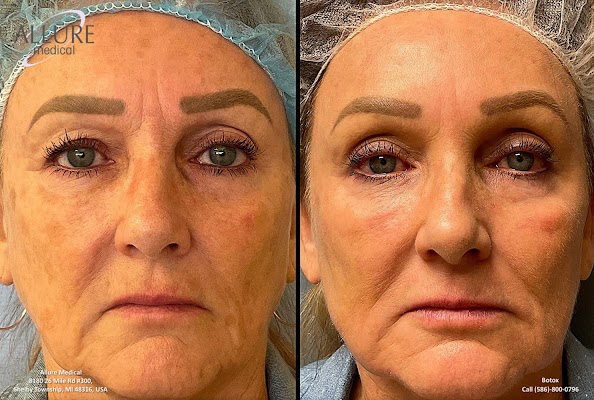
For those concerned about a stressed appearance or resting angry face, the fix is often distributed: soften the frown complex slightly, reduce nasal flare, and lift the lip corners a touch. Each micro-adjustment contributes to a more relaxed, approachable read, and none has to be heavy to work.
Addressing face shape and proportions
Nasal flare interacts with perceived face shape. On a short face shape, strong alar flare can make the midface look wider and shorter. On a long face shape, it can exaggerate length by drawing the eye to the center. By calming the width changes during expression, you restore consistent proportions. Small changes to eyebrow positioning can also nudge proportions. For some patients, gentle lateral lift improves vertical lines through the face, which helps the nose sit “in” the face rather than “on” it.
Facial profile balance is another layer. If the nasal tip dips when you smile because of the depressor septi nasi, the profile can look longer and heavier. A micro-dose there plus alar softening can keep the tip from dropping. This is not a replacement for surgical refinement, but in motion, it is often enough.
Early aging signs and skin
While the nasal flare treatment is about movement, there is spillover benefit for skin. Reducing repetitive facial movements at the alar base can slow deepening of the crease where the ala meets the cheek. If you already see fine crepey skin there, that is more a skin quality issue than a muscle issue. In those cases, combine neuromodulators with targeted skin smoothing treatments. That might be light energy-based resurfacing, microneedling, or topicals that improve dermal support. For sun damage prevention, neuromodulators do nothing. Daily sunscreen and hats still matter more than any injection.
What the appointment looks like
Consultation, mapping, and movement testing take the bulk of the visit. The injections themselves are quick. I use insulin syringes or 33-gauge needles, superficial placement, minimal volume at each point, and steady pressure after each pass. You feel a brief sting, then it is over. Makeup can go back on within an hour if there is no pinpoint bleeding. I advise no heavy exercise or sauna that day to minimize diffusion.
I ask patients to avoid aggressive nose rubbing or facials for 24 hours. If you wear CPAP or nasal strips, mention it before treatment so we can plan accordingly. This is seldom a deal-breaker, but pressure on the area while the toxin is settling can alter spread in rare cases.
How we measure success
I do not rely on still photos alone. We film a short clip pre-treatment: speaking, smiling, nasal inhale. At two weeks, we repeat, then review the frames side by side. Most patients can see the change within the first two seconds. The nostrils stay calmer, the nose looks narrower in motion, and the eyes take center stage. If asymmetry persists, I adjust by one or two units. Micro-tweaks beat big swings.
Patients often report an unexpected benefit: less facial stiffness by the end of the day. Overactive small muscles can contribute to overall muscle fatigue. When the nose stops over-firing, the whole system feels easier. For those who grind teeth or clench, pairing this with masseter treatment can yield a broader sense of facial relaxation.
Edge cases and when I say no
If you are a wind instrumentalist, a singer relying on nuanced nasal resonance, or someone whose athletic breathing demands dynamic nostril flare, we proceed with great caution. You may benefit from the smallest possible dose or none at all. The same applies if your nostrils are naturally narrow or if you have structural airway issues. Function comes first.
If the concern is the static width of the nasal base at rest, Botox cannot narrow bone or cartilage. In those cases, fillers can sometimes camouflage or adjust shadows, but surgical options like alar base reduction address anatomy. I am clear about these boundaries to avoid selling movement solutions for structural problems.
How nasal flare work fits into a broader plan
A cohesive plan respects patterns. If your goal is a refined facial look without obvious “work,” we sequence and space small changes:
- Start with the most distracting movement, which might be the frown glabella for some and the nasal flare for others. Treat, reassess at two weeks, and adapt. If eyelid heaviness or lateral brow drop makes you look tired, consider light support in the temples or lateral brow to improve eye opening appearance. This often helps the midface read brighter. If you seek better lip corner lift or smile correction, add micro-doses at the depressor anguli oris and mentalis after you understand how the upper midface now moves. Small steps avoid the “too much at once” pitfall.
Spacing changes every two to four weeks lets you observe each effect and keeps you looking natural at every stage, which matters for public-facing roles.
Common questions, answered briefly
- Does this hurt? It feels like a quick pinch. Most patients rate it a 2 out of 10. Ice or vibration helps if you are needle-sensitive. How long will it last? Typically 8 to 12 weeks for this area. With repeated cycles and facial muscle retraining, some reach 12 to 14 weeks. Will I still be able to sniff or emote? Yes. The aim is softer flare, not elimination. You should still have a natural facial balance and expressive control. Can this fix nose widening at rest? If widening comes from soft tissue pull, you may see a modest improvement at rest. If it is structural, no. Is there downtime? Minimal. Small bruises can occur. Avoid strenuous exercise for the day.
A brief anecdote from practice
A television host came in after noticing that her nose appeared to “pulse” when she smiled on set. On playback, the flare was clear. We used 3 units per side across two points, then reassessed at two weeks and added 1 unit to the dominant side. The difference on camera was immediate. She described it as the nose “not interrupting the smile anymore.” Over the next two cycles, we extended her interval to 12 weeks and dropped to 2 units on the weaker side. Her on-screen presence felt calmer without any viewer guessing what changed.
When nasal flare treatment supports confidence
For many, this is not vanity. It is a way to align how you look with how you feel. If facial expressions have drifted from natural to habit-driven, you can steer them back. A small reduction in overactivity can shift a tired looking face to one that reads focused. Event preparation for weddings, keynotes, or high-stakes interviews often includes this tweak because it is subtle and high return. Paired with wrinkle softening elsewhere, it delivers a photo ready skin effect, even before any skincare.
Practical aftercare and follow-up
Plan your first session at least a month before any major event. Keep a simple log of what you notice day by day for the first two weeks. That record is gold at your follow-up because it tells us about onset timing and any transient oddities. If you wear glasses with nose pads that press the alar region, consider a different pair for 24 hours. If you often rub the nose due to allergies, be mindful that day. None of this is dramatic, just small habits that support precise settling.
At review, if everything looks right but you want a touch more control during big smiles, we add a single unit per side. If speech flare is solved but sniff flare remains, we keep baseline doses and add small top-ups right before important dates. Flexible, data-driven dosing is how you keep results natural.
The broader conversation about expression and identity
People sometimes ask whether Botox for controlled facial movement erodes authenticity. My experience is the opposite when the work is targeted. If a frown line you never intended to send keeps firing during concentration, or if a nasal flare distracts from your eyes, small calibrations make your expressions more honest, not less. They help your face communicate what you mean, not what habit imposes.
Aesthetic medicine at its best respects individual patterns. It prioritizes function and proportion, it avoids heavy hands, and it accepts that sometimes the right choice is to do nothing. When nasal flare genuinely distorts your expression, thoughtful micro-dosing of the alar muscles is a quiet fix that pays back every time you smile.